
Somatic Movement Practitioner Programme
Practitioner development grounded in lived experience
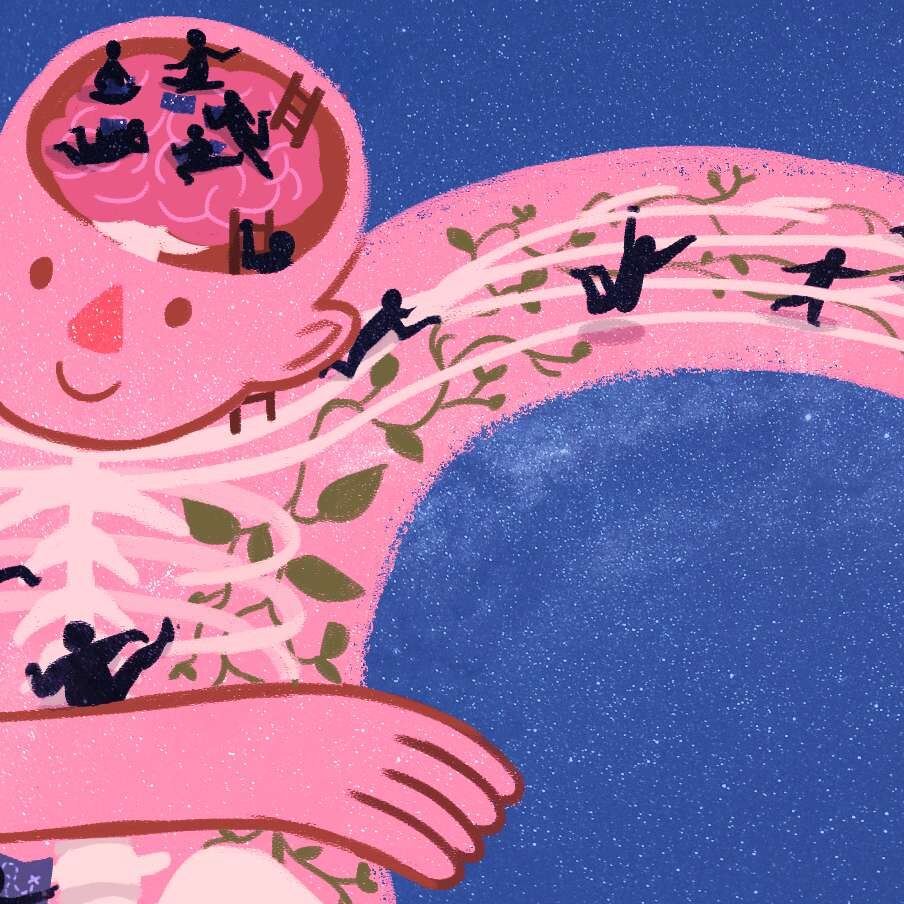
The Somatic Movement Practitioner Programme (SMPP) is a practitioner development programme that explores how movement can become a pathway for regulation, reconnection with the body, and greater capacity for life.

Programme Pillars that Support Practitioners Holistically
Together, these pillars support practitioners in guiding movements that help people reconnect with their bodies and build greater capacity for life.
- Body & Movement Awareness
Understanding and experiencing the body as a living system through movement. - Nervous System Awareness
Understanding how the nervous system shapes stress, regulation and adaptation. - Somatic Application
Learning to guide movement in ways that support regulation and capacity. - Relational Practice
Developing presence, boundaries and clarity when working with others.
A Science-Informed Curriculum that Supports Movement and Self-Regulation
SMPP is delivered across two highly experiential modules (online and in-person) that blend contemporary neuroscience with practical, embodied learning. The programme includes an integration assessment, designed to support integration of learning and reflect readiness to apply these approaches with care, clarity, and appropriate professional boundaries.

| Programme Content |
|---|
| Foundations: Body & Nervous System Literacy Get introduced to the foundational understanding of how the body moves, adapts and regulates. 1. Movement & Structural Organisation – Movement principles and foundational biomechanics – Breath, pressure regulation, core support and fascial organisation – Postural organisation and how nervous system states influence posture, breath and movement – Recognising movement patterns and compensations These areas explore how the body organises movement and structure, and how posture and movement patterns reflect underlying physiological states. 2. Nervous System Foundations – The anatomy and function of the autonomic nervous system – Afferent and efferent pathways — how perception and response interact – Polyvagal theory explored experientially Participants learn how the nervous system continuously senses the environment and shapes physiological and behavioural responses. 3. Stress, Adaptation & Protective Responses – Understanding trauma as adaptive survival response – Patterns of stress responses such as fight, flight, freeze and other adaptive responses – Foundations of pain science and protective responses in the body – Psychosomatic patterns — how stress and lived experience can express through the body – Biopsychosocial influences shaping health and behaviour This section explores how the body adapts to life experiences and stress, and how those adaptations may appear through posture, movement and physiological symptoms. 4. Sensory Pathways & Regulation – The human sensory systems — interoception, exteroception, proprioception and vestibular awareness – The science of embodiment — how sensing, movement and physiology interact – How environment and cues of safety shape regulation Participants explore how sensing the body and environment influences regulation and movement choices. 5. Integration Through Experience Through movement practice and experiential exploration, participants begin developing the ability to observe the body as a living, adaptive system. |
| Somatic Application & Relational Practice 6. Somatic Application – Guide movement that supports nervous system regulation – Apply pacing and titration to build capacity – Recognise stress responses expressed through movement – Use somatic cueing and language that support awareness and agency – Attune to the body’s signals rather than override them – Explore self-touch and consent-based touch to support regulation and containment 7. Building Healthy Boundaries: A Relational Practice – Relational attunement when working with individuals and groups – Consent and boundaries for healthy working dynamics – Practitioner ethics and integrity, including working within scope of practice – Practitioner self-awareness, self-regulation and resourcing – Creating containers that support psychological and felt safety Participants will engage in practice labs and peer sessions to develop confidence applying these principles in real-world contexts. |
| Integration Assessment – Guide a short movement-based session – Demonstrate pacing, attunement and somatic cueing – Show awareness of nervous system responses and regulation strategies – Reflect on learning and practitioner development – Complete all quizzes & reflexive short essays through online portal The assessment is designed as a supportive integration process that allows participants to consolidate their learning and receive feedback. |
Note: The programme will include materials on dissection, which some participants may find unsettling.
An Accessible and Evolving Learning Experience with a Diverse Community
Online Learning Portal
- Participants receive access to an online self-study portal designed to support learning between modules and after the programme.
- The portal functions as a living learning library, offering recordings, embodiment practices, reference materials and curated resources that support ongoing integration and study.
- The portal allows participants to revisit key concepts, deepen their understanding and continue integrating the work beyond the training days.
- Access to the portal is included for six months, with the option to continue through a small subscription fee afterwards. This helps support the continued growth of the resource library over time and contributes to making somatic education more accessible.
Learning Community
- One of the strengths of this programme is the diversity of the participant group.
- Practitioners join from a wide range of fields — including social work, coaching, leadership, therapeutic practices and education.
- This diversity creates a rich learning environment where participants benefit not only from the programme itself, but also from the shared experiences and perspectives within the group.
- In this way, the group itself becomes part of the learning environment, where different perspectives deepen understanding and support collective growth.
A Growing Learning Pathway
- SMPP currently consists of two core modules designed to introduce the foundations of somatic movement practice.
- Over time, the programme may evolve into a more comprehensive pathway with additional modules and potential comprehensive certification tracks.
Key Learning Points
You Will Walk Away With
A deeper understanding of how the body organises movement and responds to stress
Practical tools for guiding movement that support regulation and capacity
Skills in pacing, titration and somatic cueing
Greater ability to attune to clients and recognise nervous system responses
Experience applying somatic principles through practice labs and peer learning
A resource library and framework to continue developing your practice
Programme Details
Who is this for?
SMPP is designed as professional development for people who already work with others in some capacity and wish to bring greater somatic awareness into their work.
- Pilates, Movement, and Yoga Instructors
- Personal Trainers and Movement Specialists
- Life and Wellness Coaches
- PE Teachers, Educators, and Facilitators
- …and Practitioners in Other People-facing Professions
The programme complements existing professional practices by offering practical tools for integrating embodiment and nervous system awareness.
Scope of this programme
SMPP is designed as professional development rather than clinical or trauma therapy training.
While participants will learn about nervous system responses and stress patterns, the programme does not certify practitioners to treat trauma or provide trauma therapy.
The focus is on helping practitioners recognise stress responses, guide movement that supports regulation, and create safer and more responsive learning environments.
Participants are encouraged to work within their professional scope of practice.
Dates and Times (Nov 2026 term)
Online and In-person
- 12 Oct 2026 (Mon) , 7pm to 9pm
- Online – Zoom
- 26 Oct 2026 (Mon) , 7pm to 9pm
- Online – Zoom
- 7 Nov 2026 (Sat) , 2.30pm to 7.30pm
- In-person – Hello Body @ Joo Chiat*
- 8 Nov 2026 (Sun) , 2.30pm to 7.30pm
- In-person – Hello Body @ Joo Chiat*
- 14 Nov 2026 (Sat) , 2.30pm to 7.30pm
- In-person – Hello Body @ Joo Chiat*
- 15 Nov 2026 (Sun) , 2.30pm to 7.30pm
- In-person – Hello Body @ Joo Chiat*
- 21 Nov 2026 (Sat) , 2.30pm to 7.30pm
- In-person – Hello Body @ Joo Chiat*
- 22 Nov 2026 (Sun) , 2.30pm to 7.30pm
- In-person – Hello Body @ Joo Chiat*
- 30 Nov 2026 (Mon) , 7pm to 9pm
- Online – Zoom
Assessment
- 5 Dec 2026 (Sat) , 2.30pm to 6.30pm
- In-person – Hello Body @ Joo Chiat*
*Venue may be subject to change
Dates and Times (Apr 2027 term)
Online and In-person
- 15 Mar 2027 (Mon) , 7pm to 9pm
- Online – Zoom
- 29 Mar 2027 (Mon) , 7pm to 9pm
- Online – Zoom
- 10 Apr 2027 (Sat) , 2.30pm to 7.30pm
- In-person – Hello Body @ Joo Chiat*
- 11 Apr 2027 (Sun) , 2.30pm to 7.30pm
- In-person – Hello Body @ Joo Chiat*
- 17 Apr 2027 (Sat) , 2.30pm to 7.30pm
- In-person – Hello Body @ Joo Chiat*
- 18 Apr 2027 (Sun) , 2.30pm to 7.30pm
- In-person – Hello Body @ Joo Chiat*
- 24 Apr 2027 (Sat) , 2.30pm to 7.30pm
- In-person – Hello Body @ Joo Chiat*
- 25 Apr 2027 (Sun) , 2.30pm to 7.30pm
- In-person – Hello Body @ Joo Chiat*
- 10 May 2027(Mon) , 7pm to 9pm
- Online – Zoom
Assessment
- 23 May 2027 (Sun) , 2pm to 6pm
- In-person – Hello Body @ Joo Chiat*
*Venue may be subject to change
Investment
Invest in a certification that will transform your practice and your clients’ outcomes.
Enrolment Fee: $3,000
Early Bird Rate (10% Off) for the First 3 Trainees: $2,700
Instalment plans available on a case-by-case basis. If you need this, let us know during your application submission.
Scholarship
We are committed to keeping this programme accessible to those who need it. We offer trust-based tiered scholarship for conscious facilitators / coaches / educators on a case-by-case basis. If you need this, let us know during your application submission.
Pay in full if you can. It helps us to support others who need it.
About the Trainers
Charis Koh – Movement Educator & Mentor (Singapore)
Charis approaches movement as a dynamic journey—an ongoing conversation with the body that evolves through different seasons and changing needs.
With over 13 years of experience, she integrates her expertise in sports science and physiology with somatic psychology and embodiment to help individuals build strength, resilience, and a deeper connection to themselves and the world around them.
Her approach is grounded in the understanding that no single method holds all the answers. Instead, she explores the intersections between movement, nervous system health, and performance, bridging science and art to create adaptable, intuitive practices.
Through Hello Body, Charis supports individuals in discovering what works for their unique bodies. As the Educator and Mentor of the Practitioner Programme, she is dedicated to guiding movement and Pilates practitioners from diverse backgrounds—helping them refine their skills, develop confidence, and bring their own wisdom into this transformative work.

Tools and methods under her belt include but are not limited to:
- NCPT (Nationally Certified Pilates Teacher – NCCS accredited)
- Bachelor of Science in Psychology
- Somatic Experiencing ® Practitioner
- Diploma in Body-Oriented Coaching
- Franklin Method Educator
- FRC & FRA Mobility Specialist
- Kinstretch Certified
- Polestar Pilates Comprehensive Training (2013)
- Diploma in Sport and Exercise Science (2011)
- Gyrotonic
- CoreAlign L1 & 2
- Animal Flow L1 Certified
- Stick Mobility L1 Certified
- Explain Pain Clinician Course
- Scolio-Pilates L1
- Anatomy Trains In Motion & Slings Essential Fascia Movement Training
Magna (Su Chen) Tung – Guest Faculty – Somatic, Trauma & Nervous System Education (Taiwan)
Magna (Su-Chen) Tung is a Taiwan-based somatic psychotherapist and educator with many years of experience in body-oriented trauma work across Asia and Europe. She holds a Master’s degree in Counselling and is a Somatic Experiencing®️ Practitioner (SEP) since 2011, and a faculty member since 2021 teaching at the Beginning and Intermediate levels.
Her training background includes Somatic Experiencing®️, Breath Energy Work, Family Constellations, Relational Trauma Therapy, meditation, and inner-child work. She has been facilitating meditation since 1996 and currently runs a private practice in Taipei, where she offers therapy, supervision, and consultation.
As a guest trainer, Magna supports movement practitioners in developing practical somatic skills—such as sensing, pacing, and working with nervous system responses—helping teachers cultivate presence, clarity, and safer learning environments.
In this programme, Magna Tung contributes a complementary perspective by exploring syndromes and psychosomatic patterns—how nervous system dysregulation can express itself through physical symptoms. This segment helps practitioners better recognise when bodily symptoms may be linked to nervous system stress rather than purely biomechanical causes.
Magna will also cover relational boundary work, supporting practitioners in creating safer, more attuned environments for clients. This includes a practical review of Polyvagal principles as they show up in relational and therapeutic contexts, with an emphasis on clarity, boundaries, and nervous system safety.

Her background and credentials:
- Counselling in Master’s Degree from Curtin University in Australia
- Private practice in Australia
- Counsellor Group leader and Consultant at Live in Tao Taiwan since 1996
- Somatic Experiencing faculty for beginning and intermediate levels since 2021
- Somatic Experiencing Training certified SEP in 2011. Trained by Maggie Kline and Sonia Gomes
- Somatic Trauma Session and provide Case Consultations at all levels
- Breath Energy Work Psychology trained by Dwari Deutsch. Breath Energy Work trainer since 2015. Individual Sessions and supervisor of breath energy work since 2015
- Transcript Therapy Trained by James Coventry B.A, D.CP. Senior Assistant in Training
- Trained in Relational Trauma Therapy. Trained by Merete Holm Brantbjerg.
- Family Constellation Training Facilitator. Trained by Dwari Deutsch, Yashoda, and Bert Hellinger. (http://www.hknewage.hk and http://www.dwari-lifeskills.net)
- Meditation Facilitator since 1996. Trained at Osho Multiversity
- Somatic Trauma Therapy by Babette Rothschild. Trained and Assistant since 2016
Apply Now and Transform Your Practice.
Indicate Your Interest to Become a Certified Somatic Practitioner and Integrate the Science of Nervous System Regulation with Movement.
If your application is accepted, you will be required to create a free Hello Body account using your email to make payment and join this programme.
Terms & Conditions apply.